
Darkening around a C-section, surgical, or injury scar is often dismissed as pigment that needs to be bleached or lasered away. In many cases, that is not the full picture.
What looks like hyperpigmentation is often vascular congestion, restricted circulation, and disrupted signaling in the surrounding tissue. The discoloration is a symptom of how the tissue is functioning, not just a surface color issue.
Understanding how the skin actually works is what makes real improvement possible through non-invasive methods, rather than treating only what is visible on the surface.
Every scar type, every skin tone, every age.
An atrophic scar needs a different signal than a raised one. Depigmented tissue needs a different approach than vascular tissue. A newer scar is not the same problem as one that has been present for years.
The first work is establishing where your scar actually is. From there, a strategy specific to that scar is formed.
Lasting change in scar tissue requires sustained signal over time. That is why this is offered as a structured program with a clear beginning and end date, customized to the individual, rather than as a single appointment. Duration still follows the tissue. The program simply keeps the work focused and productive.
If another technology or provider would improve the outcome, that is discussed, built into the plan, or referred out.

Scar programs are built at consultation.
Every scar begins with a consultation. From there, the starting point is determined. This is most often Detox & Rebuild.
Enzyme therapy is the foundation, layered with signal-specific formulations and technology as the tissue is ready to receive them. Circulation is reopened, congestion is cleared, and signal is restored to the scar and the surrounding tissue.

Many people arrive here after microneedling, laser, and a long list of scar creams. They have been told the window has closed, or they assume it has, because they did not get the results they hoped for. That is often when the call comes in for camouflage tattoo.
In a large number of cases, the tissue still has more to give. Circulation can be restored. Congestion can clear. Signal can return to the scar and the skin around it. When that happens, the scar begins to blend into the surrounding tissue instead of sitting on top of it.
This work uses the body’s own regenerative capacity rather than damaging already dysfunctional tissue and expecting a better result. Controlled injury approaches that force a regenerative cascade can work, but knowing when to integrate them is essential. Knowing when not to use them can save money and protect the scar from further damage.

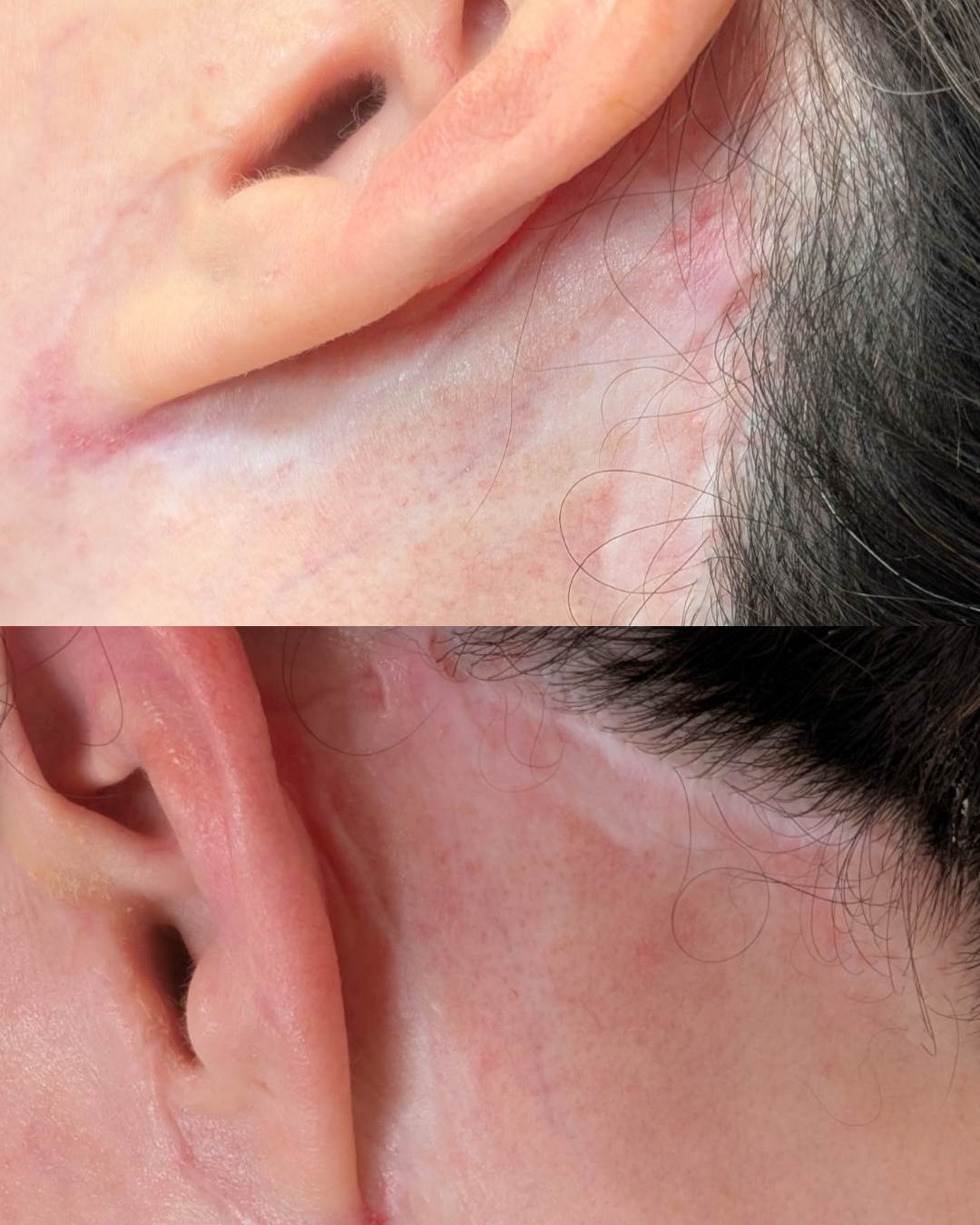
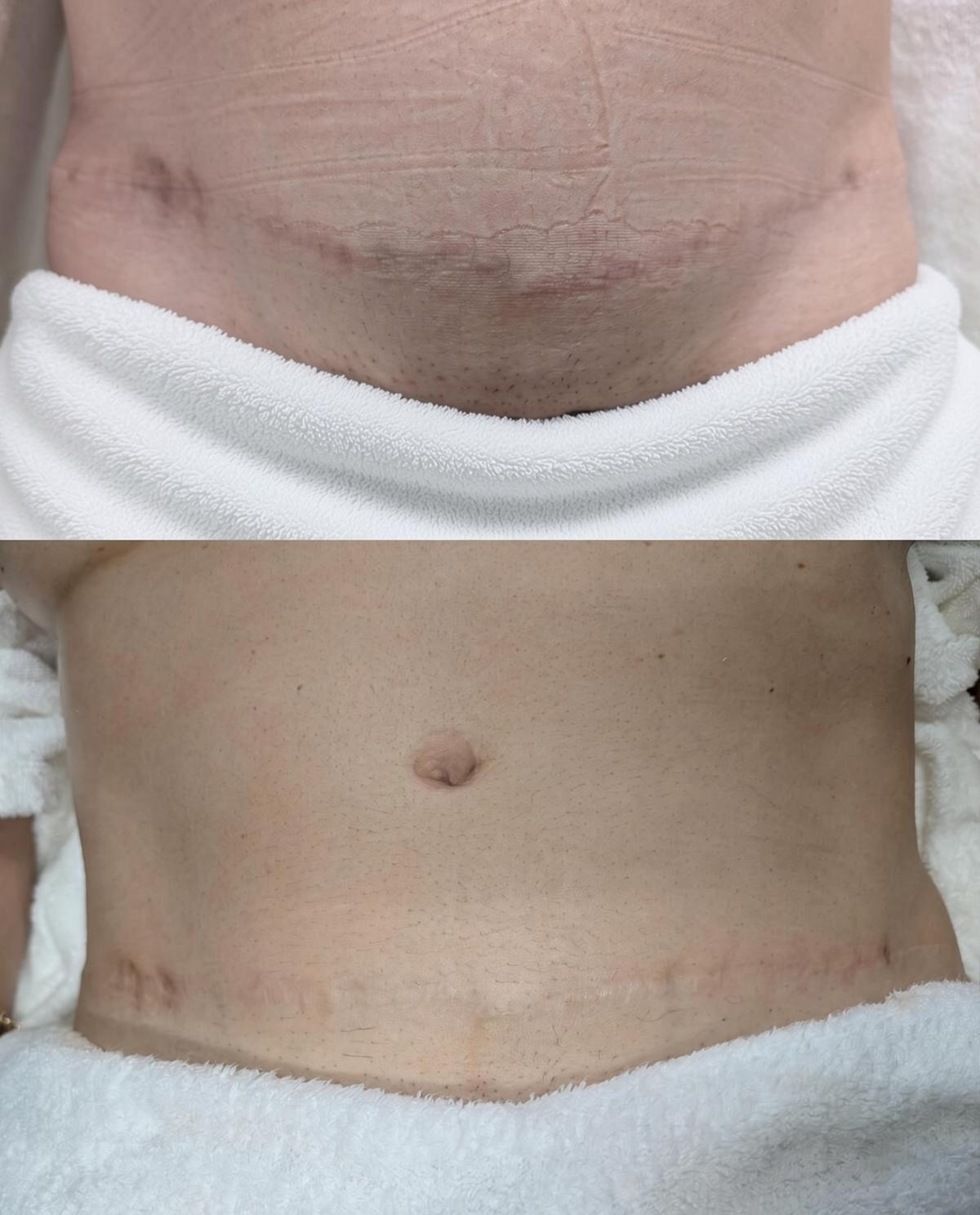
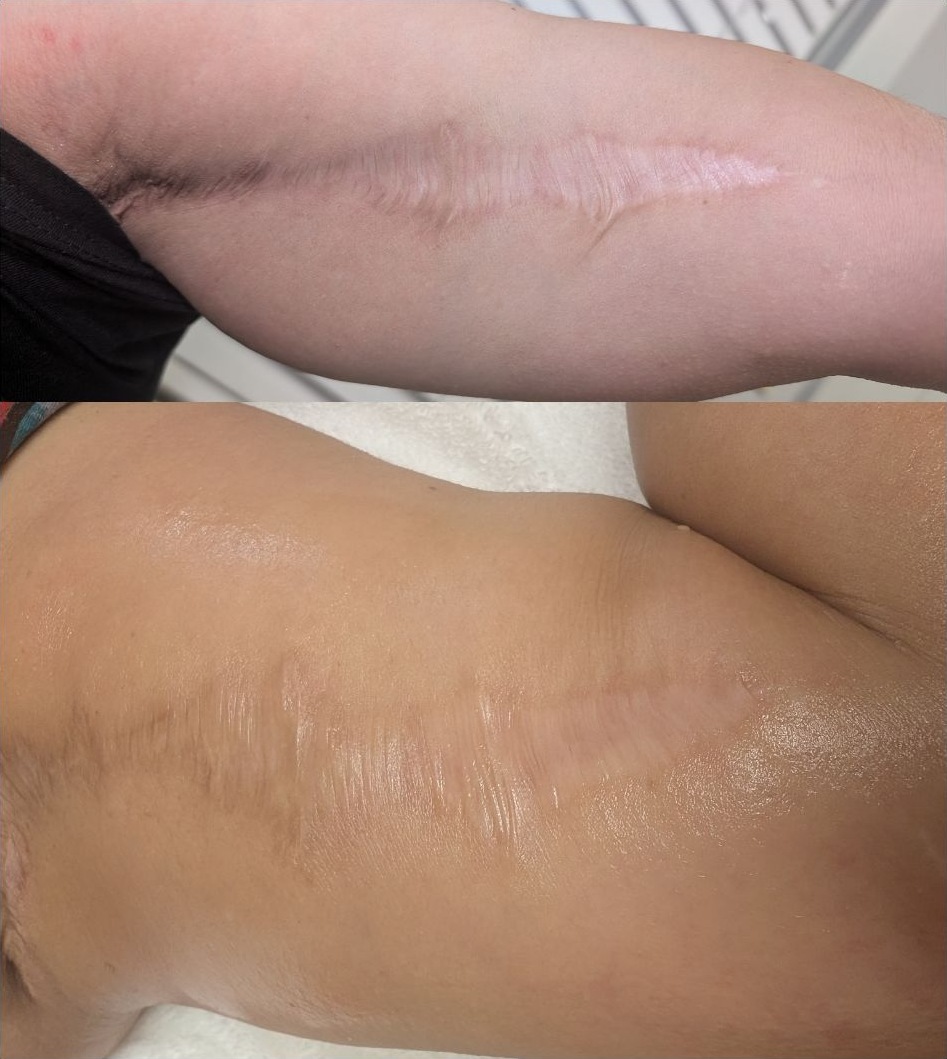
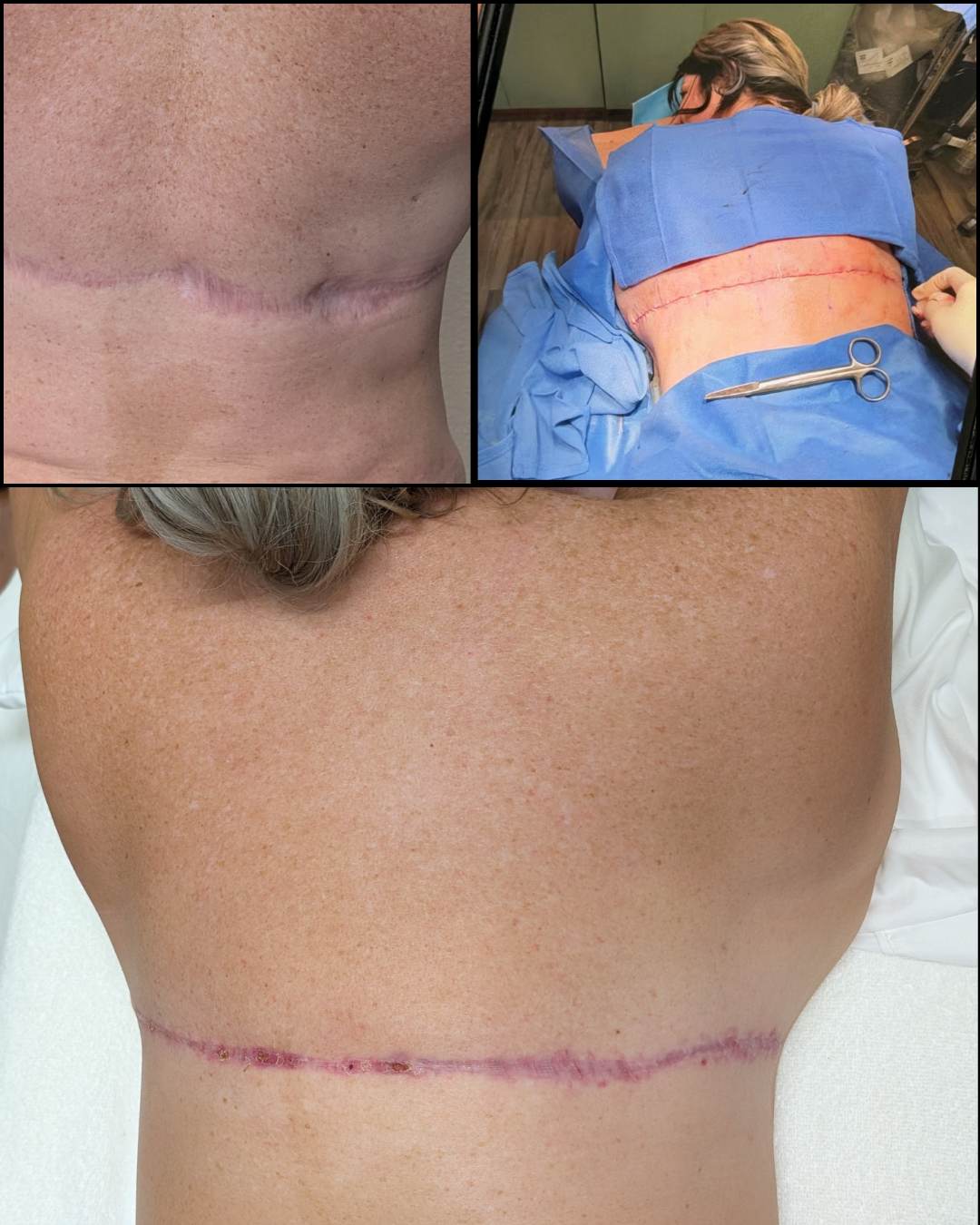
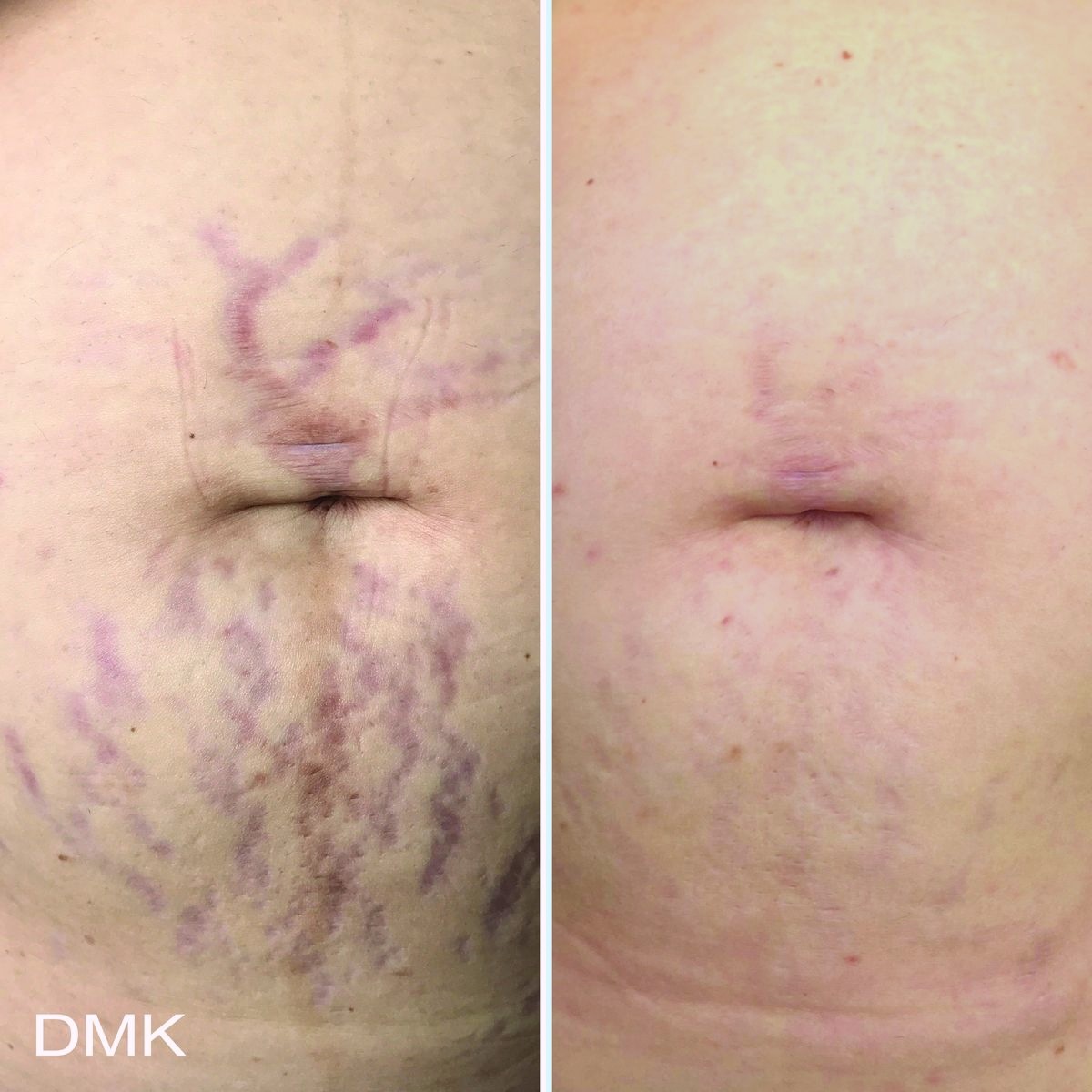
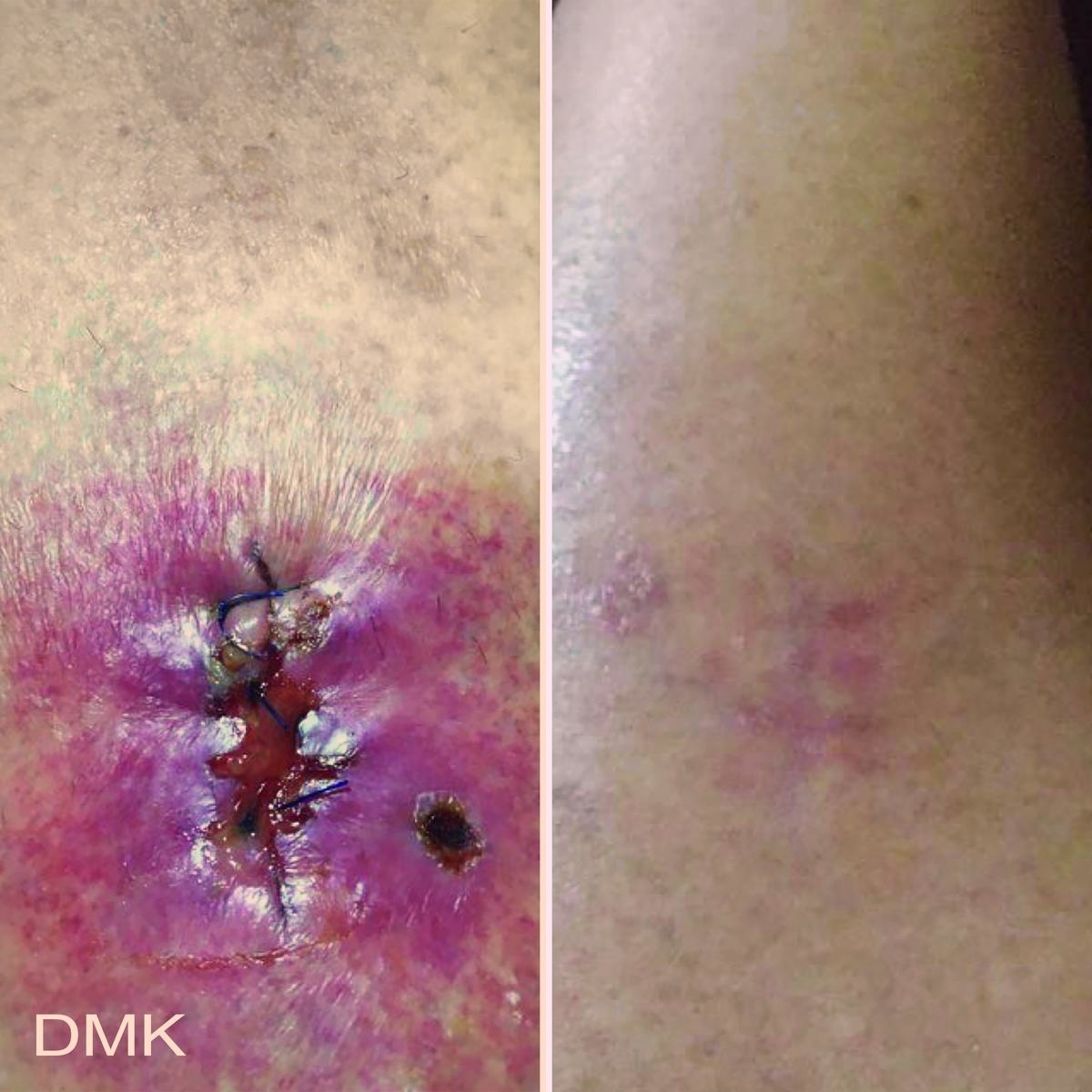
“The before and after is crazy, it worked really well.”
A procedure asks a great deal of your skin, and it asks it of whatever condition the skin is already in. Circulation is what carries oxygen and nutrients into tissue. An intact barrier is what holds hydration in and keeps irritants out. Skin that is congested, dehydrated, or barrier-impaired is being asked to do demanding work from a compromised starting point.
None of that is cosmetic. It is function, and function is what this studio works on. The point of preparing skin before a procedure, and supporting it afterward, is to have the tissue in the best condition it can be in on the day it matters and through the weeks that follow.
A short series in the weeks leading up to your procedure. Congestion clears, circulation improves, and the barrier is rebuilt, so your skin arrives in the strongest condition we can get it to. Home care runs alongside.
A series that begins once your provider has cleared you, built around how your skin is actually responding rather than a fixed calendar. Gentle formulations throughout, adjusted at every visit.
Timelines are flexible. We work within your surgeon’s guidelines, and roughly four weeks ahead is ideal, but the schedule is built around your procedure date and adjusted to what you need. Provider referrals are welcome. This work runs alongside your physician’s care and your provider’s plan, never in place of either.
When camouflage tattoo is appropriate, we prepare the scar first. Enzyme therapy, along with select home care products, is used to calm inflammation, balance tone, and improve the condition of the tissue so ink can settle into skin that is ready for it. We educate clients on the process and refer to a tattooist who is properly trained in scar camouflage. In some cases, once the tissue itself has improved, the tattoo is no longer necessary.

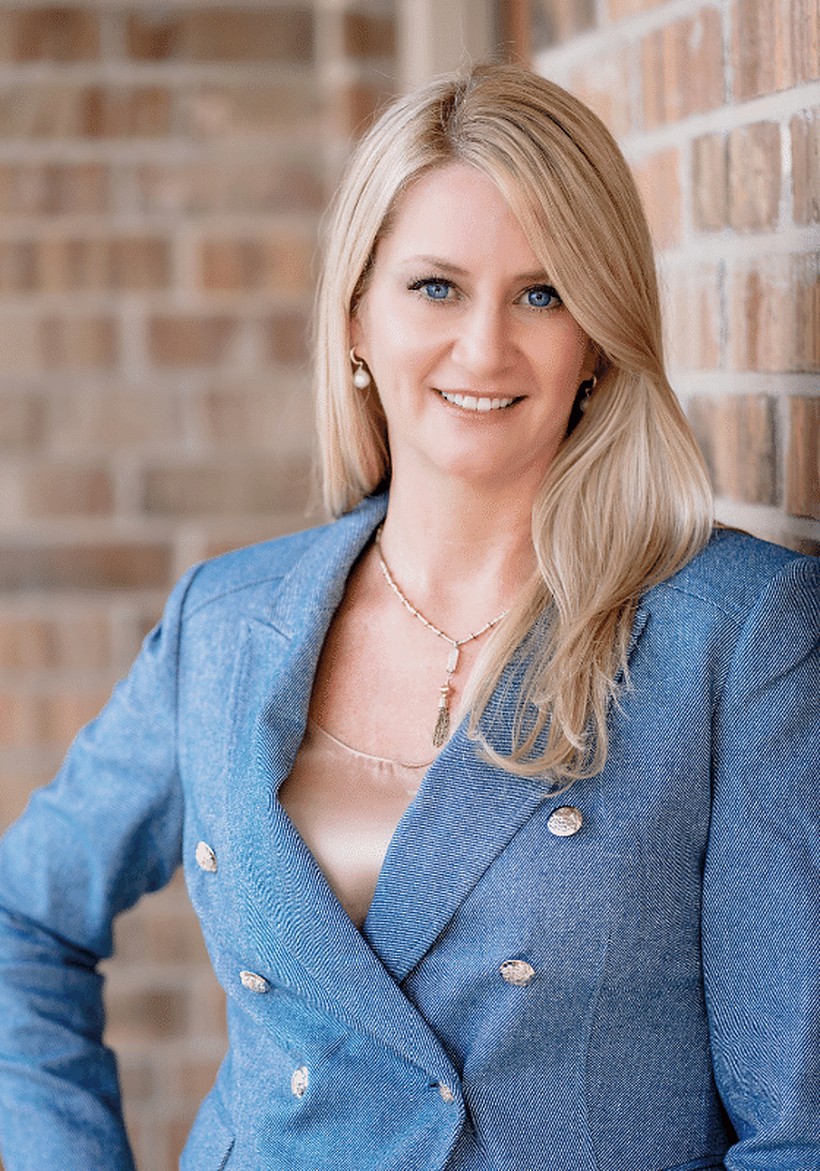
This work started with scars I decided not to tattoo.
I began in scar camouflage tattooing. I stopped because most of the scars I was asked to cover were not ready. The tissue underneath was still congested, still inflamed, still unfinished. Ink settles poorly in tissue in that condition.
A tattoo is permanent. It closes the door on whatever regenerative work becomes possible later.
So I stopped covering scars and started rebuilding the tissue instead.
Currently, we are offering consultation, education, and advice as to what condition your scar is actually in. We help you understand what is possible, teach you about the common treatments and whether or when in a sequence they would work best. We also help you understand why treatments or products you have used so far have not worked.
If your scar is ready for a permanent tattoo over it, we would love to help get you connected to a camouflage specialist trained in scar tissue.
In some cases, yes. Pre-procedure work is skin conditioning and is usually scheduled without clearance, though we will coordinate with your surgeon whenever you would like us to. Post-procedure work waits until we have an approved timeline from your surgeon, which is typically after stitches are removed.
Every new client begins with a complimentary fifteen minute inquiry call. It is a conversation, not a consultation. I want to know what your scar has been doing and what you have already tried, and you should know whether this is the right studio before anyone books anything.
My scar work began as a camouflage tattoo artist. I trained in it, I performed it, and I watched what happened to those results over years. That experience is the reason I no longer lead with it.
Most of the scars I am asked about are living but dysfunctional tissue. Surgical, C-section, hypertrophic, keloid-prone, dark, raised, or restricted. Underneath them is poor circulation, congestion, limited pliability, and disrupted cellular signaling.
In my experience, the large majority of scars and stretch marks fall into this group, and tattooing over them without addressing what is underneath carries real cost.
True camouflage belongs on fully healed, stable, depigmented scars, and only after confirming there is no melanin potential left to work with.
Inkless work, meaning microneedling with a serum infusion, is everywhere right now, promising to fade stretch marks by creating controlled micro-injury to boost collagen.
It rarely lasts, and the reason is the same. Stretch marks are dysfunctional tissue. You get new collagen and smoother texture for a stretch of months, and once full remodeling ends, the gains often regress toward the original appearance and sometimes a worse one in color or texture.
You are asking the body to regenerate in a compromised environment. Controlled injury restructures scars only when the surrounding biology has been optimized first. Without that, it is more tissue in the same dysfunctional setting.
Scar tissue improves when the dysfunction is removed. Enzyme therapy, rebuilt circulation, and tissue re-education. Clients with years-old dark surgical scars often see softening, fading, pliability, and integration they were told was no longer available to them, without ink.
If your scar qualifies, or you are seeking color blending, areola and nipple reconstruction, or restorative work on a lost feature, I will tell you, and I will refer you to experienced artists I trust. No pressure to pursue regenerative work first.
